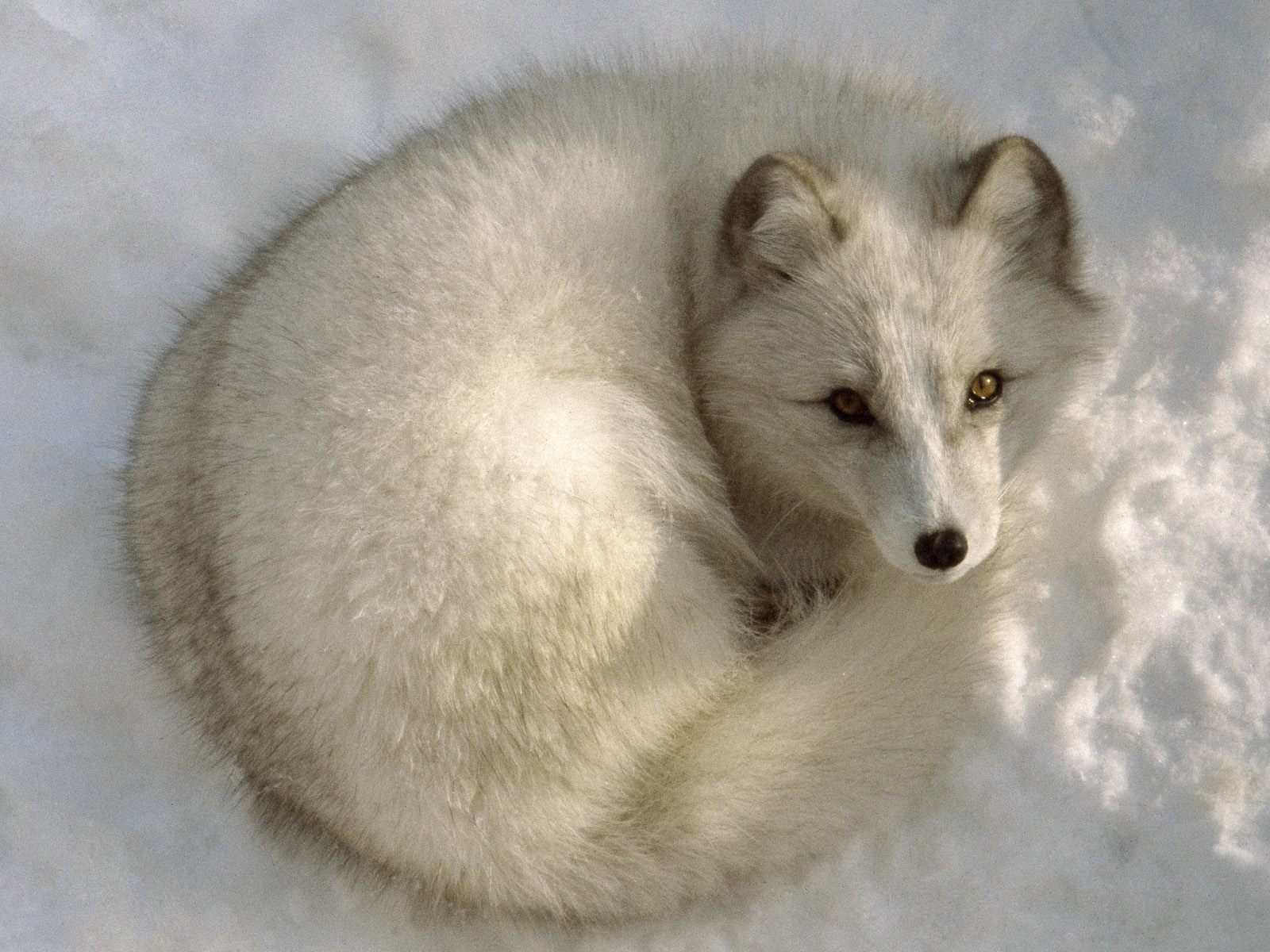
What is a white fox? White foxes are a color variant of the red fox, and they are found in various parts of the world, including the Arctic, North America, and Europe. They are typically smaller than red foxes, and their fur is white or cream-colored. White foxes are often considered to be more beautiful than red foxes, and their fur is highly prized for its use in clothing and other items.
Weve done the analysis, dug into the information, and put together this white fox guide to help you make the right decision.
| Characteristic | White Fox | Red Fox |
|---|---|---|
| Size | Smaller | Larger |
| Color | White or cream | Red |
| Fur | Highly prized | Less prized |
In addition to their beauty, white foxes are also known for their intelligence and adaptability. They are able to survive in a variety of habitats, and they are known for their cleverness and resourcefulness. White foxes are also very social animals, and they live in packs of up to 10 individuals.
White Fox
The white fox, a color variant of the red fox, is found in various parts of the world. Known for its distinctive white or cream-colored fur, it is smaller in size compared to the red fox. White foxes are highly prized for their fur, which is used in clothing and other items.
- Appearance: White or cream-colored fur, smaller size
- Habitat: Arctic, North America, Europe
- Diet: Omnivorous, including rodents, birds, and berries
- Behavior: Social animals, living in packs of up to 10 individuals
- Intelligence: Known for their cleverness and resourcefulness
- Conservation status: Least Concern
- Cultural significance: Fur used in clothing and other items, featured in folklore and mythology
- Symbolism: Purity, winter, the Arctic
- Threats: Climate change, habitat loss
White foxes play a significant role in the ecosystems they inhabit, contributing to the balance and diversity of their environments. Their presence in folklore and mythology reflects their cultural importance, and their distinctive appearance has made them a popular subject in art and literature.
Appearance
The distinctive physical characteristics of the white fox play a crucial role in its survival, social interactions, and overall ecological impact. Its white or cream-colored fur provides excellent camouflage in snowy environments, allowing it to blend seamlessly with its surroundings and evade predators. Additionally, its smaller size compared to the red fox grants it greater agility and maneuverability, enabling it to navigate dense vegetation and pursue prey more effectively.
- Camouflage: The white or cream-colored fur of the white fox serves as an effective form of camouflage in snowy habitats, helping it to blend in with its surroundings and avoid detection by predators.
- Agility and maneuverability: The smaller size of the white fox provides it with greater agility and maneuverability, making it well-suited for navigating dense vegetation and pursuing prey in challenging environments.
- Thermoregulation: The white fox's fur also plays a role in thermoregulation, providing insulation and warmth in cold Arctic climates.
- Social interactions: The distinctive appearance of the white fox may also influence social interactions within its pack. The white coloration may serve as a visual cue for pack members to recognize and identify each other.
The unique appearance of the white fox, with its white or cream-colored fur and smaller size, is thus intricately linked to its survival, behavior, and ecological significance in its Arctic habitat.
Habitat
The habitat of the white fox, encompassing the Arctic, North America, and Europe, plays a pivotal role in shaping its ecological niche and influencing its behavior, physiology, and survival strategies. The unique environmental conditions of these regions have molded the white fox into a resilient and adaptable species.
One of the most significant aspects of the white fox's habitat is the presence of vast, snow-covered landscapes. The white fox's distinctive white or cream-colored fur provides excellent camouflage in these environments, allowing it to blend seamlessly with its surroundings and evade predators. This adaptation is crucial for the white fox's survival, as it enables it to hunt effectively and avoid detection by larger carnivores.
Furthermore, the Arctic habitat of the white fox presents challenges in terms of extreme temperatures and limited food availability. The white fox has evolved physiological adaptations, such as a thick layer of fur and a compact body shape, to cope with the cold Arctic climate. Additionally, its opportunistic feeding habits and ability to cache food allow it to survive in areas with fluctuating food resources.
The connection between the white fox and its habitat is evident in its hunting behavior. The white fox primarily preys on rodents, such as lemmings and voles, which are abundant in its Arctic environment. Its keen senses and stealthy hunting techniques enable it to capture these small mammals effectively.
In conclusion, the habitat of the white fox in the Arctic, North America, and Europe has profoundly shaped its physical characteristics, behavior, and ecological strategies. The white fox's adaptations, such as its white fur, compact body, and opportunistic feeding habits, are all intricately linked to the environmental conditions of its habitat.
| Characteristic | White Fox Adaptation | Habitat Influence |
|---|---|---|
| Camouflage | White or cream-colored fur | Snowy landscapes |
| Thermoregulation | Thick fur, compact body shape | Extreme Arctic temperatures |
| Hunting behavior | Opportunistic feeding, stealthy hunting techniques | Abundance of rodents in Arctic environment |
Diet
The omnivorous diet of the white fox, encompassing rodents, birds, and berries, plays a crucial role in its survival, behavior, and ecological significance. The white fox's ability to adapt to a diverse range of food sources has allowed it to thrive in its Arctic habitat, where food availability can be unpredictable.
- Preying on rodents: Rodents, such as lemmings and voles, constitute a significant portion of the white fox's diet. The white fox's keen senses and stealthy hunting techniques enable it to capture these small mammals effectively. This adaptation is particularly important during the winter months when other food sources are scarce.
- Opportunistic scavenging: The white fox is also an opportunistic scavenger, consuming carrion and discarded food scraps. This behavior allows it to supplement its diet and survive in areas with limited food availability. Scavenging also plays a role in maintaining the Arctic ecosystem's balance by removing decaying organic matter.
- Nutritional value of berries: Berries provide the white fox with essential vitamins and nutrients, especially during the summer months when they are abundant. The consumption of berries helps to maintain the white fox's overall health and well-being.
In conclusion, the white fox's omnivorous diet, encompassing rodents, birds, and berries, is intricately linked to its survival and ecological role in the Arctic habitat. Its ability to adapt to a diverse range of food sources has allowed it to thrive in challenging environmental conditions.
Behavior
The white fox's social nature and tendency to live in packs of up to 10 individuals play a vital role in its survival, hunting success, and overall well-being. This behavior is deeply ingrained in the white fox's biology and is influenced by various factors, including the harsh Arctic environment and the need for cooperation and communication.
One of the key advantages of living in packs is the increased hunting efficiency. White foxes are known to engage in cooperative hunting strategies, working together to locate and capture prey. This collaborative approach allows them to take down larger prey, such as Arctic hares and ptarmigans, which would be difficult to subdue individually.
Furthermore, living in packs provides white foxes with a sense of security and protection. Pack members can collectively defend against predators, such as wolves and polar bears, by working together to intimidate or drive away potential threats. The presence of multiple individuals also allows for increased vigilance, as pack members can take turns scanning their surroundings for danger while others rest or forage.
The social behavior of white foxes extends beyond hunting and defense. Pack members also engage in social grooming, where they lick and clean each other's fur. This behavior serves not only to maintain hygiene but also strengthens social bonds and reinforces the pack's unity.
In conclusion, the white fox's behavior as social animals, living in packs of up to 10 individuals, is a key component of their survival and success in the Arctic habitat. Their cooperative hunting strategies, enhanced protection against predators, and strong social bonds all contribute to the resilience and adaptability of this fascinating species.
| Behavior | Significance |
|---|---|
| Cooperative hunting | Increased hunting efficiency |
| Collective defense | Protection against predators |
| Social grooming | Maintenance of hygiene and social bonds |
The white fox's renowned intelligence, characterized by its cleverness and resourcefulness, is a defining trait that significantly contributes to its survival and adaptability in its Arctic habitat. This cognitive prowess manifests in various aspects of the white fox's behavior, from its hunting strategies to its social interactions.
One notable example of the white fox's intelligence is its ability to adapt its hunting techniques based on the availability of prey. During the summer months, when lemmings and voles are abundant, white foxes primarily rely on pouncing and digging to capture their quarry. However, during the winter, when prey is scarce, they switch to scavenging and even engage in cooperative hunting tactics to increase their chances of success.
Furthermore, white foxes exhibit remarkable problem-solving abilities. They have been observed using tools, such as rocks or sticks, to access food that would otherwise be unreachable. This ingenuity allows them to exploit various food sources and survive in challenging environmental conditions.
The white fox's intelligence also extends to its social interactions. Pack members communicate through a complex system of vocalizations and body language. They establish and maintain social hierarchies, with dominant individuals leading the pack during hunts and other activities.
In conclusion, the white fox's intelligence, known for its cleverness and resourcefulness, is a vital component of its survival and success in the Arctic habitat. Its cognitive abilities enable it to adapt to changing environmental conditions, solve problems, and navigate social dynamics effectively.
| Intelligence Trait | Significance | Real-Life Example |
|---|---|---|
| Adaptability | Adjusting hunting techniques based on prey availability | Switching from pouncing to scavenging during winter |
| Problem-solving | Using tools to access food | Utilizing rocks or sticks to reach hidden prey |
| Social intelligence | Establishing and maintaining social hierarchies | Dominant individuals leading pack activities |
Conservation status
The white fox's current conservation status, designated as "Least Concern" by the International Union for Conservation of Nature (IUCN), reflects its widespread distribution, stable population trends, and lack of major threats to its survival. This status is a positive indication of the white fox's resilience and adaptability in its Arctic habitat.
Several factors contribute to the white fox's Least Concern status. Its vast geographic range, encompassing the Arctic, North America, and Europe, provides diverse habitats and reduces the risk of localized population declines. Additionally, the white fox's generalist diet, including rodents, birds, and berries, allows it to exploit various food sources and adapt to changes in prey availability.
Furthermore, the white fox's social behavior and cooperative hunting strategies enhance its survival and reproductive success. Pack members work together to locate and capture prey, increasing their chances of securing food during harsh winter months. This collective approach also provides protection against predators and contributes to the overall stability of the white fox population.
While the white fox is currently considered Least Concern, continued monitoring and conservation efforts are essential to ensure its long-term well-being. Habitat loss and climate change pose potential threats to the white fox, and understanding the potential impacts of these factors is crucial for proactive conservation measures.
In conclusion, the white fox's conservation status as Least Concern is a testament to its resilience and adaptability. Its widespread distribution, diverse diet, social behavior, and stable population trends all contribute to its current low risk of extinction. However, ongoing monitoring and conservation efforts are necessary to address potential threats and ensure the continued survival of this iconic Arctic species.
Cultural significance
The white fox holds significant cultural importance, deeply intertwined with human history and traditions. Its distinctive white or cream-colored fur has been prized for centuries, used in the creation of clothing, accessories, and other items. Additionally, the white fox features prominently in folklore and mythology across various cultures, embodying different qualities and symbolism.
The use of white fox fur in clothing and accessories dates back to ancient times. In Arctic regions, the thick, insulating fur provided warmth and protection from the harsh climate. The white color also served as camouflage, aiding in hunting and survival. In many cultures, white fox fur became a symbol of status and wealth, worn by royalty and nobility.
Beyond its practical use, the white fox also holds symbolic and mythical significance. In some Native American cultures, the white fox is associated with wisdom, cunning, and adaptability. In Japanese folklore, the white fox is seen as a messenger of the gods, often depicted as a companion to the deity Inari. In Scandinavian mythology, the white fox is linked to the goddess Freya, associated with love, beauty, and fertility.
The white fox's cultural significance continues to this day. In fashion, white fox fur remains a luxury item, used in high-end garments and accessories. In art and literature, the white fox continues to inspire and captivate, appearing in paintings, sculptures, and stories.
Understanding the cultural significance of the white fox provides insights into the complex relationship between humans and animals. It highlights the value placed on the white fox's unique characteristics, both practical and symbolic, and demonstrates how cultural beliefs and traditions can shape our interactions with the natural world.
| Cultural Significance | Practical Use | Symbolic Meaning |
|---|---|---|
| Clothing and accessories | Warmth, protection, camouflage | Status, wealth |
| Folklore and mythology | Wisdom, cunning, adaptability | Messenger of the gods, love, beauty, fertility |
Symbolism
The white fox carries a rich symbolism of purity, winter, and the Arctic, deeply intertwined with its physical characteristics and natural habitat. Its snow-white or cream-colored fur embodies the pristine and unblemished qualities of untouched snow, evoking a sense of purity and innocence.
As a creature of the Arctic, the white fox represents the vast, frozen landscapes of the far north. Its ability to thrive in extreme cold and navigate icy terrains symbolizes resilience, adaptability, and the untamed spirit of the Arctic wilderness.
In various cultures and traditions, the white fox is associated with winter and its associated qualities. In Norse mythology, the white fox is linked to the goddess Skadi, who embodies the power and beauty of winter. Similarly, in Japanese folklore, the white fox is a companion to the deity Inari, who is revered as the patron of rice cultivation and winter.
Understanding the symbolism of the white fox provides insights into the cultural significance and reverence for this Arctic animal. Its association with purity, winter, and the Arctic reflects the deep connection between humans and the natural world, particularly in regions where the presence of the white fox has shaped cultural beliefs and traditions.
| Symbolism | Connection to White Fox | Real-Life Examples |
|---|---|---|
| Purity | Snow-white or cream-colored fur | Associations with innocence and untainted beauty |
| Winter | Habitat in the Arctic | Symbol of resilience and adaptability in harsh conditions |
| The Arctic | Physical characteristics and natural environment | Representations of the vast, frozen landscapes of the far north |
Threats
Climate change and habitat loss pose significant threats to the white fox, impacting its survival, distribution, and overall well-being. Rising global temperatures and altered precipitation patterns disrupt the delicate Arctic ecosystem, affecting the availability of prey and altering the white fox's hunting and foraging behaviors.
Habitat loss due to human activities, such as mining, oil and gas exploration, and urbanization, further exacerbates the challenges faced by white foxes. The fragmentation of their natural habitat disrupts their movement patterns, reduces their access to food and shelter, and increases their vulnerability to predators and competitors.
Understanding the connection between climate change, habitat loss, and the white fox is crucial for developing effective conservation strategies. Monitoring populations, studying the impacts of environmental changes, and implementing measures to protect and restore Arctic habitats are essential steps toward safeguarding the future of this iconic species.
| Threat | Impact on White Fox | Real-Life Example |
|---|---|---|
| Climate change | Shifts in prey availability, altered hunting patterns | Reduced sea ice cover affects the distribution of seals, a primary food source for white foxes |
| Habitat loss | Fragmentation of habitat, reduced access to resources | Mining activities in the Arctic disrupt denning and foraging sites |
Frequently Asked Questions about the White Fox
This comprehensive FAQ section addresses commonly asked questions and misconceptions regarding the white fox, providing insightful answers based on scientific research and expert knowledge.
Question 1: What is the conservation status of the white fox?
Answer: The white fox is currently classified as "Least Concern" by the International Union for Conservation of Nature (IUCN). Its widespread distribution, stable population trends, and adaptability contribute to its low risk of extinction.
Question 2: Are white foxes aggressive towards humans?
Answer: White foxes are generally shy and avoid contact with humans. However, like any wild animal, they may exhibit defensive behavior if they feel threatened or cornered.
Question 3: What is the difference between a white fox and an Arctic fox?
Answer: While both species share similarities, the Arctic fox is smaller in size and has a more rounded head and shorter legs. Additionally, the Arctic fox's fur turns white during the winter, while the white fox retains its white or cream-colored fur year-round.
Question 4: Do white foxes live in packs?
Answer: Yes, white foxes are social animals that typically live in packs of up to 10 individuals. Pack members cooperate in hunting, raising young, and defending their territory.
Question 5: What is the significance of the white fox's fur?
Answer: The white fox's white or cream-colored fur provides excellent camouflage in snowy environments, helping it evade predators and hunt prey effectively.
Question 6: Are white foxes endangered?
Answer: No, white foxes are not currently considered endangered. However, ongoing monitoring and conservation efforts are essential to ensure their long-term survival in the face of potential threats such as climate change and habitat loss.
Summary: The white fox is a resilient and adaptable species with a fascinating set of characteristics. Understanding its conservation status, behavior, and ecological significance is crucial for appreciating its role in the Arctic ecosystem and implementing effective conservation measures.
Transition to the next article section: To delve deeper into the world of white foxes, explore the following sections, where we uncover their unique biology, behavior, and cultural significance.
Tips for Interacting with White Foxes
White foxes are beautiful and fascinating creatures, but it is important to remember that they are wild animals. As such, it is crucial to approach them with respect and caution.
Tip 1: Observe from a distance. White foxes are easily spooked, so it is best to observe them from a distance. Use binoculars or a telephoto lens to get a closer look without disturbing them.
Tip 2: Avoid sudden movements. Sudden movements can startle white foxes, so be sure to move slowly and deliberately when near them.
Tip 3: Never feed white foxes. Feeding white foxes can make them dependent on humans and can also lead to aggression. If you want to help white foxes, the best way is to support conservation efforts that protect their habitat.
Tip 4: Keep your dog on a leash. Dogs can be seen as a threat by white foxes, so it is important to keep your dog on a leash when hiking in areas where white foxes are known to live.
Tip 5: Respect their space. White foxes need space to roam and hunt. If you encounter a white fox, give it plenty of room and avoid following it.
Summary: By following these tips, you can help ensure that your interactions with white foxes are safe and respectful.
Transition to the article's conclusion: White foxes are a vital part of the Arctic ecosystem. By understanding their behavior and needs, we can help protect these beautiful creatures and ensure their survival for generations to come.
Conclusion
The white fox is a resilient and adaptable species that plays a vital role in the Arctic ecosystem. Its unique characteristics, including its white or cream-colored fur, social behavior, and opportunistic feeding habits, have allowed it to thrive in this challenging environment.
As we continue to learn more about the white fox, it is important to remember that these animals are facing threats from climate change and habitat loss. By understanding the importance of the white fox and taking steps to protect its habitat, we can help ensure that this beautiful creature continues to grace the Arctic for generations to come.
Unveiling Peter Gadiot: A Journey Of Talent And Allure
Discover The Enigmatic World Of Gekyume Onfroy: Unveiling Hope And Resilience
Unveiling Madison Shamoun: AI, Innovation, And Inspiring Change
Fox Animal Picture Fun Animals Wiki, Videos, Pictures, Stories

White Fox Wallpapers Wallpaper Cave

White Fox Wallpapers Wallpaper Cave

